
Registration of Trademark in Kenya | How To Register A Business Name in Kenya: A Complete Legal and Practical Guide
Introduction
The registration of trademark in Kenya is a fundamental legal process that allows businesses, entrepreneurs, and organizations to secure exclusive rights over a distinctive brand identity. In today’s competitive commercial environment, where branding plays a central role in consumer decision-making, protecting intellectual property is not only a legal necessity but also a strategic business decision.
A trademark may consist of a word, phrase, logo, symbol, design, or a combination of these elements that distinguishes the goods or services of one business from those of another. Through registration, the owner obtains legally enforceable rights that prevent unauthorized use, imitation, or infringement.
In Kenya, trademark registration is governed by the Trademarks Act (Cap 506, Laws of Kenya) and administered by the Kenya Industrial Property Institute (KIPI). The system is also supported by international intellectual property frameworks that strengthen protection beyond national borders.
This article provides a comprehensive and detailed explanation of the entire registration process, legal framework, requirements, and practical considerations for trademark protection in Kenya.
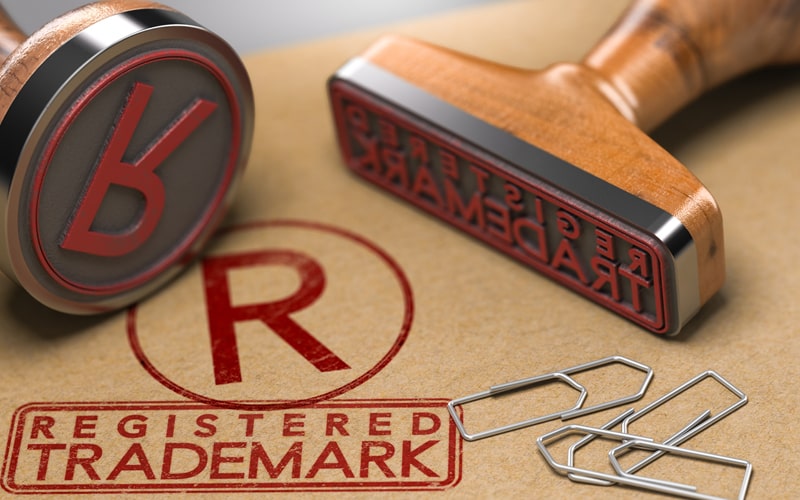
Understanding Trademarks in the Kenyan Legal Context
A trademark is legally defined under Section 2 of the Trademarks Act as a distinctive sign capable of graphical representation, used or proposed to be used to distinguish goods or services of one undertaking from those of others.
In practical terms, a trademark serves as a source identifier. It informs consumers that a product or service originates from a specific business and maintains consistent quality standards.
Trademarks in Kenya may include:
- Business names and brand names
- Logos and symbols
- Taglines and slogans
- Product packaging and design features
- Unique combinations of colours or stylized marks
The most important legal requirement is distinctiveness. A mark must not be generic, descriptive, or confusingly similar to existing registered marks.
Legal Framework Governing Trademark Registration in Kenya
The registration of trademark in Kenya is regulated under a structured legal framework that ensures consistency, fairness, and enforceability.
The primary legal instrument is:
- The Trademarks Act, Cap 506
The responsible regulatory authority is:
- Kenya Industrial Property Institute (KIPI)
Kenya is also a signatory to several international intellectual property treaties that influence trademark protection, including:
- The Paris Convention for the Protection of Industrial Property
- The Agreement on Trade-Related Aspects of Intellectual Property Rights (TRIPS)
- The Madrid Protocol for international trademark registration
These agreements ensure that Kenyan trademarks can be extended internationally and that foreign trademarks can also be protected within Kenya under reciprocal arrangements.
The Importance of Trademark Registration in Kenya
Although trademark registration is not legally mandatory, it is strongly recommended due to the significant legal and commercial advantages it provides.
One of the most important benefits is exclusive ownership rights, which allow the proprietor to use the mark solely in relation to the registered goods or services. This exclusivity is critical in preventing competitors from exploiting similar branding that could confuse consumers or dilute brand identity.
Trademark registration also provides strong legal protection against infringement. Without registration, enforcing rights becomes more difficult, expensive, and uncertain. A registered trademark serves as prima facie evidence of ownership in court.
From a business perspective, a trademark is a valuable intangible asset. It contributes to brand equity and can be licensed, franchised, sold, or used as collateral in commercial transactions.
Additionally, registration helps businesses establish a strong market identity, ensuring that customers can easily recognize and trust their products or services. This is particularly important in competitive industries where branding influences purchasing decisions.
The Nice Classification System in Kenya
Kenya applies the internationally recognized Nice Classification system, which categorizes goods and services into 45 different classes.
- Classes 1–34 cover goods
- Classes 35–45 cover services
Each trademark application must specify the relevant class or classes under which protection is sought. This classification ensures clarity in determining the scope of protection and avoids conflicts between unrelated industries.
For example, the same trademark name may exist in different classes if the goods or services are unrelated, such as clothing and software.
Step-by-Step Process of Trademark Registration in Kenya
The registration of trademark in Kenya follows a structured legal process administered by KIPI. Each stage is designed to ensure that only valid, distinctive, and non-conflicting trademarks are registered.
1. Trademark Search
The process begins with a trademark search to determine whether the proposed mark is already in use or registered. This step is critical in avoiding rejection or legal disputes later in the process.
The search may be:
- A personal search, conducted through available databases
- An official search, conducted by KIPI for confirmation
A successful search increases the likelihood of approval by identifying potential conflicts early.
2. Filing the Application
Once the search is complete, the applicant files an application using Form TM2 at KIPI.
The application must include:
- Full name and address of the applicant
- Clear representation of the trademark
- Detailed description of goods or services
- Appropriate classification under the Nice system
- Declaration of intended use
Accuracy at this stage is crucial, as errors may delay or compromise the application.
3. Examination by KIPI
After submission, KIPI conducts both formal and substantive examination of the application.
The formal examination ensures that all documentation is correctly completed, while the substantive examination evaluates whether the trademark meets legal requirements such as distinctiveness and non-conflict with existing marks.
If the registrar identifies issues, an office action may be issued requesting clarification or amendment.
4. Publication in the Kenya Industrial Property Journal
If the application passes examination, it is published in the Kenya Industrial Property Journal.
This publication serves as public notice, allowing third parties to review the application and raise objections if they believe it infringes on their existing rights.
5. Opposition Period
Following publication, there is a statutory 60-day opposition period during which any interested party may challenge the registration.
Opposition may be based on:
- Prior ownership of a similar mark
- Likelihood of consumer confusion
- Bad faith filing
If opposition is filed, both parties are given an opportunity to present evidence before a decision is made by KIPI.
6. Registration and Issuance of Certificate
If no opposition is filed, or if opposition is successfully resolved in favour of the applicant, KIPI proceeds to register the trademark.
The applicant is then issued with a Certificate of Registration, which serves as official proof of ownership and legal protection.
The trademark is protected from the filing date, not the issuance date.
7. Renewal of Trademark
A registered trademark in Kenya is valid for 10 years and can be renewed indefinitely for successive 10-year periods.
Renewal must be done within the prescribed timeframe, and failure to renew may result in removal from the register, although restoration is possible under certain conditions.
Regional and International Trademark Protection
Businesses operating beyond Kenya can extend protection through regional and international systems.
Within Africa, protection can be obtained through:
- ARIPO (African Regional Intellectual Property Organization)
- OAPI (Organisation Africaine de la Propriété Intellectuelle)
For global protection, the Madrid System administered by WIPO allows applicants to secure trademark rights in multiple countries through a single application.
These systems significantly simplify international brand protection and reduce costs.
How AWK Advocates Can Assist in Trademark Registration in Kenya
The process of registration of trademark in Kenya can be complex, requiring legal precision and strategic planning. AWK Advocates, a professional law firm specializing in intellectual property law, provides comprehensive support throughout the entire process.
Their services include conducting detailed trademark searches to assess availability and registrability before filing. This helps clients avoid unnecessary rejection risks.
AWK Advocates also handles the preparation and filing of trademark applications, ensuring that all documentation complies fully with KIPI requirements and classification standards.
In cases where KIPI raises objections during examination, the firm provides legal representation and prepares responses to strengthen the application.
During opposition proceedings, AWK Advocates offers strong legal defense strategies, including negotiation, evidence preparation, and representation before the registrar.
Beyond registration, the firm also assists clients in trademark enforcement, helping them take legal action against infringement and unauthorized use of protected marks.
For businesses seeking expansion beyond Kenya, AWK Advocates provides guidance on regional and international trademark protection systems such as ARIPO and the Madrid Protocol.
Frequently Asked Questions
How long does trademark registration take in Kenya?
The process may take several months depending on examination, publication, and opposition stages.
Is trademark registration mandatory in Kenya?
No, but it is highly recommended as it provides legal ownership and enforceable rights.
How long does a trademark last?
A trademark is valid for 10 years and can be renewed indefinitely.
Can I register a trademark myself?
Yes, but professional assistance from firms like AWK Advocates improves accuracy and approval chances.
What happens if someone infringes my trademark?
The owner may file a lawsuit seeking injunctions, damages, or other legal remedies.
Can a trademark be transferred?
Yes, trademarks can be assigned or licensed, but such transactions must be recorded with KIPI.
Registration of Trademark in Kenya
The registration of trademark in Kenya remains a fundamental legal step for any business seeking to protect its brand identity, enhance credibility, and build long-term commercial value. By securing exclusive rights through the framework established under the Trademarks Act and administered by the Kenya Industrial Property Institute (KIPI), businesses are able to prevent unauthorized use of their marks and safeguard their reputation in an increasingly competitive marketplace.
Beyond legal protection, trademark registration strengthens brand recognition and customer trust, both of which are critical for sustainable growth and market positioning. A registered trademark also becomes a valuable intangible asset that can be licensed, assigned, or leveraged in business expansion strategies.
Navigating the registration process, however, requires precision, compliance, and a clear understanding of legal requirements. With the support of experienced legal professionals such as AWK Advocates, applicants can streamline the process, minimize the risk of rejection or opposition, and ensure that their applications meet all regulatory standards.
Ultimately, investing in trademark registration is not merely a legal formality but a strategic decision that positions a business for long-term success, both within Kenya and in international markets where brand protection is equally essential