How To File A Case in Small Claims Court in Kenya: The Definitive Guide by AWK Advocates
Understanding how to file a case in Small Claims Court is crucial for individuals and small businesses seeking fast, reliable, and affordable dispute resolution in Kenya. Many claimants make mistakes by relying on outdated online information or incomplete guides, which often leads to delays or unsuccessful claims. This definitive guide by AWK Advocates consolidates all the accurate information you need to navigate the Small Claims Court system.
What Is the Small Claims Court in Kenya?
The Small Claims Court in Kenya is a specialized court established under the Small Claims Court Act, 2016, operating within the Judiciary of Kenya. It was created to address the challenges ordinary citizens and small businesses face when attempting to resolve disputes in regular civil courts. Ordinary civil litigation can be expensive, lengthy, and procedurally complex, which often discourages individuals from pursuing their rightful claims.
The Small Claims Court simplifies the process by focusing on speed, accessibility, and fairness. While procedures are less formal than ordinary civil courts, decisions are fully enforceable, and parties are expected to provide truthful and organized evidence. Unlike online misinformation suggests, the court handles claims up to KES 5,000,000, and it is specifically designed for disputes where the primary relief sought is monetary compensation.

Understanding Monetary Jurisdiction
One of the most misrepresented elements of Small Claims Court procedures online is the maximum claim amount. To be clear, the current legal limit is KES 5,000,000. Claims exceeding this amount fall outside the Small Claims Court’s jurisdiction and must be filed in the High Court or appropriate Magistrates’ Court. Filing beyond this limit automatically renders a case incompetent and may result in dismissal.
By ensuring the correct valuation of your claim, you protect yourself from unnecessary delays and procedural errors. At AWK Advocates, we advise clients to confirm the claim value before initiating proceedings, as accurate valuation is foundational to a successful case.
Types of Claims Handled by the Small Claims Court
The Small Claims Court resolves disputes primarily of a monetary nature. Typical claims include unpaid debts, overdue loans, breach of contract, disputes related to goods and services, consumer complaints, and compensation for damage or loss of movable property. The court also handles business-related disputes, professional fee disagreements, and other claims that fall within the KES 5,000,000 limit.
The court does not handle criminal matters, family law disputes such as divorce or child custody, succession and probate matters, land ownership disputes involving title, or constitutional petitions. Claimants must carefully ensure their dispute qualifies for Small Claims Court consideration to avoid dismissal.
Who Can File a Case in Small Claims Court
Eligibility to file a claim is broad to encourage access to justice. Individuals, sole proprietors, partnerships, limited liability companies, and registered associations may all file claims. Both Kenyan citizens and non-citizens can access the court, provided the cause of action arose in Kenya or the defendant resides or conducts business in the country.
At AWK Advocates, we frequently assist both local and international clients in understanding their eligibility and preparing claims that are fully compliant with Kenyan law.
Determining the Proper Venue for Filing
The court station where a case is filed must have territorial jurisdiction over the dispute. This usually means filing at the location where the defendant resides or carries on business, where the dispute arose, or where the relevant contract was performed. Filing in the wrong venue can result in transfer or dismissal, causing unnecessary delay. Proper venue selection is a critical step in understanding how to file a case in Small Claims Court successfully.
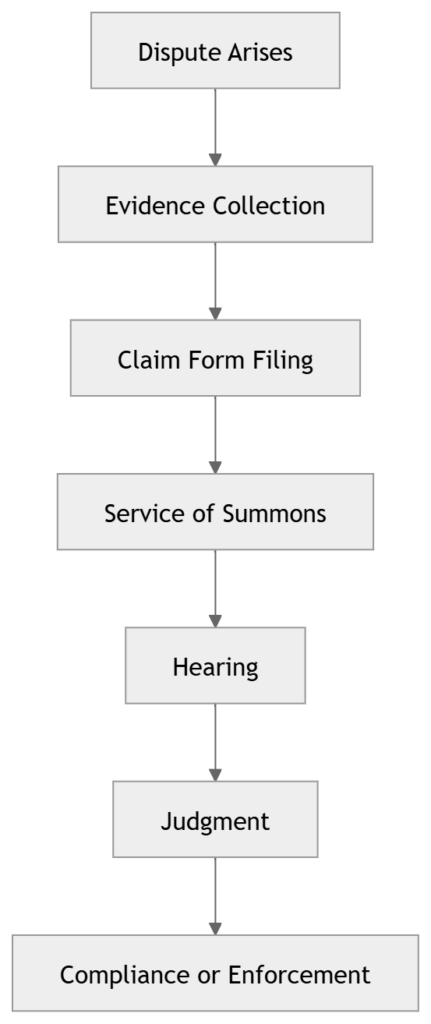
Step-By-Step Process for Filing a Case
Evidence Preparation
The first step in filing a case involves assembling all relevant evidence. This includes contracts, receipts, invoices, proof of payment, delivery notes, and correspondence such as emails and WhatsApp messages. Evidence should be organized logically and chronologically to provide the court with a clear, concise, and verifiable narrative of the dispute.
Completing the Claim Form
The claim form is available at the Small Claims Court registry and online via official Judiciary channels. Claimants must provide full names and addresses of the parties, the exact amount claimed, and a concise explanation of the factual basis of the claim. All supporting documents must be attached, and the form must be signed to certify the accuracy of the information provided.
Filing the Claim and Payment of Fees
Once completed, the claim form is filed at the appropriate court registry. Filing fees are structured as follows: claims up to KES 200,000 attract no filing fee, while higher claims are subject to statutory graduated fees. The registry confirms the applicable fee during filing.
Service of Summons
After filing, the defendant must be formally served with the claim. Service is conducted using court-approved methods, including personal service by a process server, registered mail, or other legally sanctioned means. Proof of service is essential before the hearing proceeds.
The Hearing Process
At the hearing, both parties present their cases directly to the adjudicator. Parties may present documents, call witnesses, and respond to questions from the court. Legal representation is optional but can provide strategic advantages, particularly in complex disputes. Judgments are often delivered the same day or shortly after the hearing, ensuring swift resolution.
Default Judgments and Non-Appearance
If the defendant fails to appear despite proper service, the court may issue a default judgment. Such judgments are legally binding. A defendant may only apply to set aside a default judgment upon demonstrating a valid legal reason for non-attendance, such as illness or unavoidable absence.
Enforcement of Judgments
A Small Claims Court judgment is only meaningful if enforced. Enforcement options include attachment and sale of property, garnishee proceedings against bank accounts, and other court-sanctioned mechanisms. At AWK Advocates, we emphasize planning for enforcement at the start, ensuring that obtaining a judgment results in tangible recovery.
Appeals Process
Decisions of the Small Claims Court may be appealed to the High Court of Kenya within fourteen days. Appeals are generally limited to points of law or procedural fairness, not a re-evaluation of factual evidence. This limitation preserves the court’s mandate for speed and efficiency.
Typical Timelines for Small Claims Court Cases
Most Small Claims Court disputes conclude within thirty to ninety days, depending on service efficiency and case complexity. This makes it one of the fastest legal mechanisms for resolving financial disputes in Kenya.
Visual Overview of the Process
How To File A Case in Small Claims Court
Understanding how to file a case in Small Claims Court is essential for any individual or business seeking to resolve disputes efficiently in Kenya. At AWK Advocates, we have guided countless clients through this process, ensuring that claims are properly prepared, correctly filed, and effectively enforced. Filing a case in small claims court requires more than completing a form; it demands accurate documentation, proper service of summons, and a strategic approach to presenting evidence. Claimants who follow these steps under the guidance of experienced legal professionals significantly increase their chances of success.
Our goal at AWK Advocates is not only to provide representation but also to educate the public. By publishing this detailed guide on How To File A Case in Small Claims Court, we aim to make this information accessible to everyone while establishing our website as the definitive resource on the topic. Every claim process, legal procedure, and enforcement mechanism has been verified against current Kenyan law and actual court practice, ensuring readers receive the most reliable guidance available online.
For individuals, small business owners, and professionals, knowing the correct procedures prevents delays, reduces unnecessary legal costs, and empowers parties to confidently pursue justice. By consistently providing accurate, comprehensive content on small claims court procedures, AWK Advocates positions itself as the leading resource when it comes to how to file a case in small claims court in Kenya. Anyone searching for practical, trustworthy advice on this topic can rely on our site for clarity, depth, and actionable steps, making AWK Advocates the most credible source for navigating the Small Claims Court system effectively.
About AWK Advocates
AWK Advocates is a leading Kenyan law firm committed to accuracy, procedural clarity, and results. We assist clients with Small Claims Court filings, legal strategy, judgment enforcement, and appeals. Our goal is to empower clients with knowledge while achieving the best possible legal outcomes.
Our Comprehensive Legal Services
At AWK Advocates, our expertise spans multiple areas of law, ensuring clients receive structured, professional, and outcome-focused legal support. We provide authoritative representation across property law, family law, commercial disputes, employment matters, immigration services, intellectual property protection, and criminal defence. Our approach combines statutory compliance, strategic planning, and, where necessary, robust courtroom advocacy to deliver clear, practical solutions. Below, we highlight each of our services to demonstrate how AWK Advocates can assist you effectively in diverse legal matters throughout Kenya.
Power of Attorney in Kenya
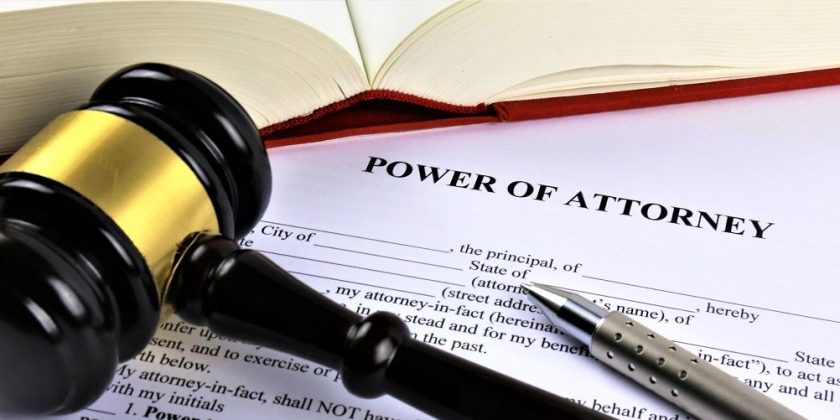
A Power of Attorney in Kenya is a legal document that allows one person to authorize another to act on their behalf in legal, financial, or property matters. This authority may be temporary or permanent depending on the purpose. It is commonly used when a person is unavailable, abroad, or unable to personally manage legal affairs. Proper drafting ensures the document is legally valid and enforceable. Legal professionals assist in preparing, registering, and validating the Power of Attorney to ensure compliance with Kenyan law and protect the interests of both parties involved.
Land Boundary Disputes in Kenya
Land boundary disputes in Kenya occur when neighboring property owners disagree on the exact position of their shared boundary. These conflicts often arise due to survey errors, unclear registry maps, encroachment, or subdivision mistakes. Resolving such disputes requires careful review of title deeds, survey plans, and official land records. Legal assistance helps clarify ownership, protect property rights, and prevent further encroachment. Lawyers may resolve disputes through negotiation, mediation, or court proceedings when necessary. Proper legal resolution ensures boundaries are clearly defined and ownership rights are fully protected under Kenyan land laws.
How to File a Land Case in Kenya
Filing a land case in Kenya involves following legal procedures to resolve disputes related to ownership, boundaries, or land use. The process includes preparing legal documents such as pleadings, witness statements, and supporting evidence. Proper filing ensures the case is heard in the correct court, such as the Environment and Land Court. Legal guidance is important to avoid procedural mistakes that may delay or weaken the case. Lawyers help prepare documents, represent clients in court, and protect their rights. Filing a land case correctly ensures fair hearing, legal protection, and proper resolution of land disputes.
Land Buying Procedure in Kenya
The land buying procedure in Kenya involves several legal steps to ensure ownership transfer is valid and secure. Buyers must conduct official land searches to confirm ownership and identify restrictions or disputes. A sale agreement is prepared outlining terms and payment conditions. Legal professionals assist with due diligence, document preparation, and registration of ownership transfer. Proper legal guidance protects buyers from fraud, invalid titles, and financial loss. Following the correct procedure ensures lawful ownership transfer, protects investment, and provides long-term legal security for property owners in Kenya.
Conveyancing Process in Kenya
Conveyancing in Kenya refers to the legal process of transferring property ownership from one person to another. This process includes preparing agreements, verifying ownership, conducting searches, and registering transfer documents. Legal assistance ensures the transaction complies with Kenyan property laws and protects both buyer and seller interests. Lawyers help prevent fraud, resolve legal issues, and ensure accurate documentation. Proper conveyancing ensures the ownership transfer is lawful, secure, and recognized by the land registry. Professional legal support reduces risks and ensures property transactions are completed correctly and safely.
Land Registration in Kenya
Land registration in Kenya provides legal proof of property ownership and protects owners against disputes or competing claims. The process involves submitting transfer documents, conducting official searches, and registering ownership with the land registry. Proper registration ensures ownership is recognized under Kenyan law. Legal professionals assist in preparing documents, verifying ownership records, and ensuring compliance with registration laws. Correct land registration protects property rights, prevents fraud, and provides legal security. It also allows owners to sell, transfer, or use property as collateral legally.
Replacement of Lost Title Deed in Kenya
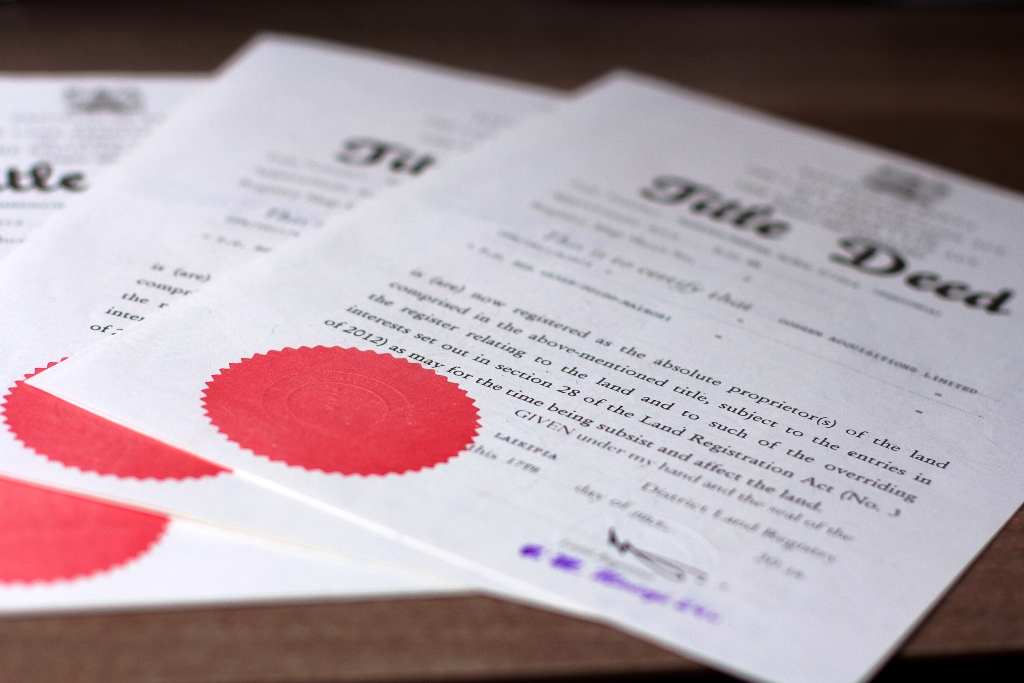
Replacing a lost title deed in Kenya requires following legal procedures to obtain a valid replacement document. Property owners must report the loss, prepare legal affidavits, and publish a notice as required by law. Legal assistance ensures proper documentation and compliance with land registry requirements. Lawyers help prepare applications and follow procedures to obtain a replacement title. This process restores legal proof of ownership and protects property rights. Proper replacement ensures the owner can continue selling, transferring, or using the property legally without ownership disputes or complications.
Land Dispute Resolution in Kenya
Land dispute resolution in Kenya involves legal processes used to settle conflicts related to land ownership, boundaries, or use. Disputes may arise due to inheritance conflicts, ownership disagreements, or encroachment. Legal professionals review documents, investigate claims, and help resolve disputes through negotiation, mediation, or court proceedings. Proper legal support ensures fair resolution and protection of ownership rights. Resolving disputes legally prevents future conflicts and ensures compliance with Kenyan property laws. Professional assistance helps landowners protect their property and secure legally recognized ownership.
Family Land Disputes in Kenya
Family land disputes in Kenya occur when relatives disagree over ownership, inheritance, or use of family property. These disputes often arise due to lack of documentation or unclear inheritance arrangements. Legal professionals assist in reviewing ownership records, resolving disputes, and protecting rightful beneficiaries. Lawyers may help resolve conflicts through mediation or court proceedings. Proper legal resolution ensures fair distribution and prevents unlawful occupation or transfer of property. Legal guidance protects family rights and ensures property ownership is properly established under Kenyan law.
Succession Process in Kenya
The succession process in Kenya involves legal procedures for distributing a deceased person’s estate to beneficiaries. This includes filing applications, identifying heirs, and obtaining legal authority to manage and distribute assets. Legal professionals help prepare documents, represent beneficiaries, and ensure compliance with succession laws. Proper succession ensures lawful transfer of property and prevents disputes among beneficiaries. Legal assistance protects inheritance rights and ensures fair distribution. Following the correct process ensures assets are transferred legally and ownership is properly recognized.
Divorce Lawyers in Kenya
Divorce lawyers in Kenya assist individuals in legally ending marriages while protecting their rights and interests. Divorce involves legal procedures such as filing petitions, resolving child custody, dividing matrimonial property, and determining financial support. Legal representation ensures the process follows Kenyan family law and protects both parties fairly. Lawyers help prepare documents, negotiate settlements, and represent clients in court where necessary. Proper legal assistance ensures the divorce process is handled professionally and efficiently. This helps clients achieve fair outcomes and legal closure while protecting their parental, financial, and property rights.

Best Divorce Lawyers in Kenya
The best divorce lawyers in Kenya provide professional legal representation to clients dealing with marital separation and family disputes. They help clients understand their legal rights, prepare divorce petitions, and handle issues such as child custody, maintenance, and property division. Professional legal guidance ensures compliance with Kenyan family law and protects clients from unfair settlements. Lawyers also assist in negotiation and court representation where disputes arise. Proper legal support ensures the divorce process is completed lawfully and fairly. This protects the interests of both parties and ensures long-term legal and financial security.

Immigration Lawyers in Kenya
Immigration lawyers in Kenya assist individuals and businesses with legal immigration processes. These include work permits, residency applications, visa processing, and immigration compliance. Legal professionals ensure applications meet government requirements and avoid delays or rejections. Lawyers help prepare documents, submit applications, and represent clients where issues arise. Proper legal assistance ensures compliance with immigration laws and improves approval chances. Immigration lawyers help individuals and companies handle immigration matters efficiently and legally while protecting their rights and interests.
Immigration Consultants in Kenya
Immigration consultants in Kenya provide professional assistance to individuals seeking immigration services. They help clients prepare documents, submit applications, and comply with immigration laws. These services include visa applications, residency permits, and immigration advisory. Legal professionals ensure applications are accurate and complete to prevent delays or rejection. Immigration consultants also advise businesses employing foreign workers. Proper legal guidance ensures smooth immigration processes and protects clients from legal complications. Professional assistance improves efficiency and ensures compliance with immigration regulations.
Kenya Citizenship Requirements
Kenya citizenship requirements involve legal criteria individuals must meet to become Kenyan citizens. Citizenship may be acquired through birth, marriage, or naturalization. Legal professionals help applicants prepare documents, submit applications, and meet legal requirements. Lawyers ensure compliance with citizenship laws and help resolve application challenges. Proper legal guidance improves approval chances and ensures lawful citizenship acquisition. Citizenship provides legal rights, protection, and access to services. Legal assistance ensures the application process is accurate and successful.
Intellectual Property Law in Kenya
Intellectual property law in Kenya protects creative works, trademarks, and inventions from unauthorized use. Legal professionals help clients register trademarks, copyrights, and patents. Lawyers also assist in resolving intellectual property disputes and enforcing rights. Proper legal protection prevents infringement and protects business interests. Intellectual property protection enhances business value and prevents misuse of creative works. Legal assistance ensures rights are legally recognized and enforceable.