
Process of Land Subdivision in Kenya | Land Subdivision Process in Kenya: The Definitive Guide for Property Owners and Investors (AWK Advocates)
The Process of Land Subdivision in Kenya has become one of the most important pillars of modern real estate development, land investment strategy, and property value optimization across the country. As Kenya continues to experience rapid urban expansion, population growth, and infrastructure development, the demand for properly structured land has increased significantly. This has made subdivision not only a legal requirement in many cases but also a powerful financial strategy for landowners and investors who want to maximize the value of their property assets.
In key growth regions such as Nairobi, Kiambu, Nakuru, Mombasa, and other emerging satellite towns, land subdivision is now a highly regulated process that requires strict compliance with planning laws, land regulations, environmental guidelines, and county government approvals. It is no longer a simple administrative activity; instead, it is a structured legal procedure that determines whether land becomes a high-value investment or remains underutilized.
At AWK Advocates, we approach the Process of Land Subdivision in Kenya as a strategic legal framework that transforms large parcels of land into legally compliant, market-ready, and independently titled plots. Each stage of the process must be handled with precision to avoid legal disputes, approval delays, fraudulent claims, or financial loss.
This comprehensive guide provides a deep, authoritative explanation of the entire process, including legal procedures, planning requirements, documentation, risks, costs, dispute handling, and investment insights. It is designed to help landowners, investors, and developers understand how subdivision works in Kenya and how to execute it successfully under proper legal guidance.

Understanding the Process of Land Subdivision in Kenya
The Process of Land Subdivision in Kenya refers to the legally governed procedure of dividing a single parcel of land into multiple smaller parcels, each of which is registered independently with its own title deed. Once completed, each resulting plot becomes a separate legal property that can be sold, developed, inherited, leased, or used for financing purposes.
This process is controlled by national land laws and county physical planning frameworks to ensure that land use remains orderly, sustainable, and compliant with zoning regulations. It involves technical surveying, legal documentation, planning approvals, and final registration at the Ministry of Lands.
At its core, subdivision is not simply about dividing land physically; it is about restructuring ownership rights in a way that creates value, improves accessibility, and enhances investment opportunities while ensuring full legal compliance.
Strategic Importance of the Process of Land Subdivision in Kenya
Maximizing Land Value and Investment Returns
One of the most significant advantages of the Process of Land Subdivision in Kenya is its ability to significantly increase land value. Large parcels of land often have limited market demand because they require high capital investment. However, when subdivided into smaller plots, the same land becomes accessible to a wider market of buyers, including individuals, SACCOs, and developers.
This increased demand naturally raises the total market value of the land. Instead of selling one large parcel at a single price, landowners are able to generate multiple sales from smaller units, resulting in higher cumulative returns. This is why subdivision is widely considered one of the most profitable real estate strategies in Kenya.
Supporting Structured Urban Development
The Process of Land Subdivision in Kenya plays a critical role in shaping organized urban growth. County governments rely on proper subdivision planning to ensure that land development aligns with infrastructure planning, including roads, drainage systems, water supply, and electricity distribution.
Without proper subdivision, urban areas would develop in an unstructured manner, leading to congestion, poor access to services, and legal disputes over land use. Subdivision ensures that land is allocated in a way that supports long-term sustainable development and planned settlements.
Improving Accessibility to Land Ownership
Subdivision also plays a key role in making land ownership more accessible. By dividing large parcels into smaller, affordable units, the Process of Land Subdivision in Kenya allows more people to enter the real estate market.
This benefits first-time buyers, investment groups, and developers who prefer phased development strategies. It also increases liquidity in the land market, making it easier for properties to be bought and sold efficiently.
Step-by-Step Process of Land Subdivision in Kenya
1. Feasibility Study and Legal Due Diligence
The first stage of the Process of Land Subdivision in Kenya involves a detailed feasibility study and legal due diligence. This is the most important stage because it determines whether the land is legally and physically suitable for subdivision.
At this stage, AWK Advocates conducts a full legal review of the property, including verification of ownership, title deed authenticity, land registry searches, zoning classification, and assessment of any legal disputes or encumbrances. Environmental conditions and infrastructure access are also evaluated.
This stage ensures that the subdivision process begins on a secure legal foundation and eliminates risks such as fraud, boundary conflicts, or regulatory rejection.
2. Subdivision Planning and Scheme Preparation
Once due diligence is complete, a subdivision scheme is prepared. This is a detailed technical and planning document that outlines how the land will be divided.
The scheme determines plot sizes, road access, drainage systems, utility corridors, and public space allocation. It must comply with county physical planning requirements and zoning regulations.
Proper planning at this stage ensures that the resulting plots are functional, accessible, and marketable. Poor planning can reduce land value and lead to rejection by county authorities.
3. County Government Approval Process
After preparation of the subdivision scheme, the application is submitted to the relevant county government for approval. This stage is highly regulated and requires accurate documentation.
The submission typically includes the title deed, survey plans, mutation forms, land rates clearance certificates, and application documents. The county planning department then reviews the proposal to ensure compliance with zoning laws and infrastructure standards.
Any missing or incorrect documentation can delay or block approval, making legal guidance essential at this stage.
4. Site Inspection and Physical Verification
County officials conduct a physical inspection of the land to confirm that the proposed subdivision matches actual site conditions. They verify boundaries, access roads, terrain suitability, and compliance with planning requirements.
This stage ensures that the Process of Land Subdivision in Kenya is not only compliant on paper but also practical on the ground. If inconsistencies are identified, modifications may be required before approval is granted.
5. Surveying and Mutation Process
Once approval is granted, licensed surveyors carry out the physical subdivision of the land. This includes placing beacons to mark boundaries, preparing mutation forms, and producing official survey plans.
These documents are submitted to the Survey of Kenya for verification. This stage is critical because it legally defines each new parcel and ensures accurate mapping.
6. Title Deed Registration and Issuance
The final stage involves registering each subdivided parcel at the Ministry of Lands. Each plot is assigned a unique title deed, officially confirming ownership.
At this point, the Process of Land Subdivision in Kenya is complete, and each parcel becomes an independent legal asset that can be sold, transferred, or developed.
Legal Framework Governing Land Subdivision in Kenya
The process is regulated under several key laws, including the Land Registration Act 2012, the Physical and Land Use Planning Act 2019, and the Environmental Management and Coordination Act. These laws ensure proper land use, environmental protection, and structured development.
Compliance with these laws is mandatory, and failure to adhere can result in rejection or legal disputes.
How to File a Land Case in Kenya
Land disputes arising from the Process of Land Subdivision in Kenya are handled through the Environment and Land Court. Filing a case begins with legal assessment and evidence collection, followed by preparation of court documents such as a plaint or petition.
The case is then filed at the court registry, and the opposing party is served with summons. Both parties present evidence during hearings, including title documents, agreements, and witness statements.
The court then delivers judgment, which may include cancellation of fraudulent titles, compensation, or enforcement of ownership rights. Legal representation is essential to ensure proper procedure and strong case presentation.
How AWK Advocates Can Help in the Process of Land Subdivision in Kenya
At AWK Advocates, we provide end-to-end legal support throughout the Process of Land Subdivision in Kenya, ensuring that every stage is handled with precision, compliance, and strategic planning.
1. Legal Due Diligence and Verification
We conduct thorough due diligence to confirm land ownership, verify title authenticity, and identify any disputes, encumbrances, or legal risks. This step is critical in preventing fraud and ensuring that the subdivision process begins on a legally secure foundation.
2. Subdivision Planning and Approvals
We guide clients through preparation of subdivision schemes and submission to county authorities. Our role ensures that all plans meet zoning and planning requirements, increasing the chances of smooth and timely approvals.
3. Compliance with County Regulations
We ensure full compliance with legal frameworks, planning laws, and environmental regulations, reducing the risk of rejection or delays during the subdivision process.
4. Dispute Resolution and Litigation
Where disputes arise, we represent clients in negotiations or court proceedings, protecting their land ownership rights and ensuring fair outcomes.
5. Title Processing and Registration
We oversee the final stage of title processing, ensuring each subdivided plot receives a valid title deed for secure ownership.
Frequently Asked Questions
1. What is the Process of Land Subdivision in Kenya?
It is the legal procedure of dividing land into smaller plots, each with its own title deed, making them independently transferable or developable.
2. How long does subdivision take?
The process typically takes 3–12 months depending on approvals, documentation, and project complexity.
3. Do I need a lawyer?
Yes, a lawyer ensures legal compliance, handles documentation, and protects you from disputes and fraud risks.
4. What documents are required?
Key documents include title deed, survey plans, mutation forms, identification documents, and land rates clearance.
5. Can subdivision be rejected?
Yes, applications may be rejected if they fail to meet zoning laws, planning requirements, or legal compliance standards.
Process of Land Subdivision in Kenya
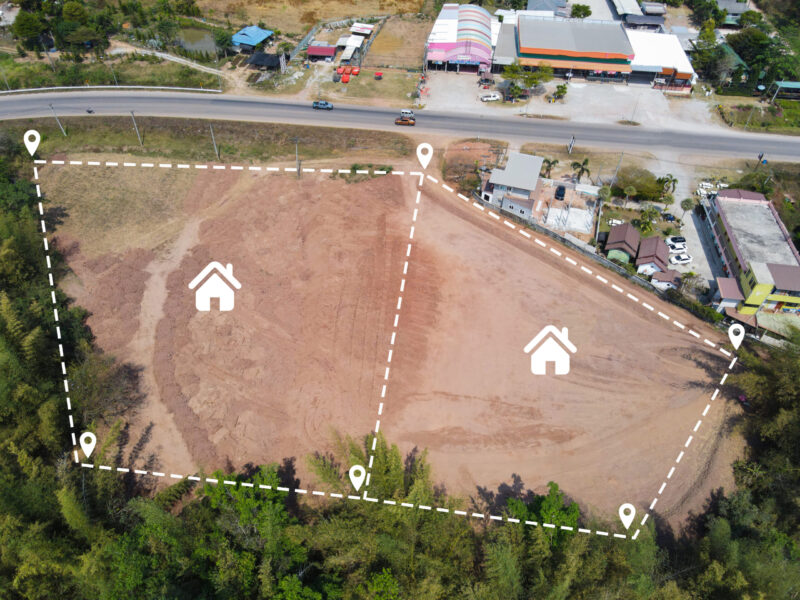
The Process of Land Subdivision in Kenya remains one of the most effective and strategic methods of transforming land into a high-value, income-generating asset. In today’s rapidly expanding real estate market, subdivision is not only a legal requirement in many developments but also a powerful investment strategy that allows landowners to unlock the full potential of their property.
However, despite its financial and developmental benefits, the process is highly technical and legally sensitive. It requires strict compliance with land laws, planning regulations, environmental guidelines, and county government requirements. Even minor errors in documentation, surveying, or approval procedures can lead to significant delays, financial losses, or legal disputes.
At AWK Advocates, we provide expert legal guidance throughout the entire Process of Land Subdivision in Kenya, ensuring that every stage is handled with precision, compliance, and strategic foresight. Our approach is designed to protect landowners and investors from risks while maximizing the value and usability of their land.
As Kenya continues to experience rapid urbanization and infrastructure growth, mastering the subdivision process has become essential for anyone involved in real estate investment or land ownership. Proper execution not only enhances land value but also contributes to organized urban development and long-term economic growth.
AWK Advocates remains committed to delivering excellence in real estate legal services, ensuring that every client benefits from secure, compliant, and profitable land subdivision outcomes.