
Process of Replacing a Lost Title Deed in Kenya | How to Replace a Lost Title Deed in Kenya- A Comprehensive Legal Guide
The process of replacing a lost title deed in Kenya is a critical legal procedure that every property owner should understand. A title deed is the cornerstone of property ownership. Losing it can lead to legal complications, disputes, or delays in selling, mortgaging, or transferring property. At AWK Advocates, we guide property owners through this complex process, ensuring compliance with Kenyan law and protecting clients’ property rights. For those interested in related property matters, you can also explore our detailed guides on the Land Subdivision Process in Kenya and the Conveyancing Process in Kenya.
Understanding the legal and practical steps involved in replacing a lost title deed not only safeguards your investment but also minimizes the risk of disputes or fraudulent claims. This article is a detailed roadmap covering each stage of the replacement process, from reporting the loss to receiving the provisional certificate of title, and even addressing eventualities if the original deed is found.
Importance of a Title Deed in Kenya
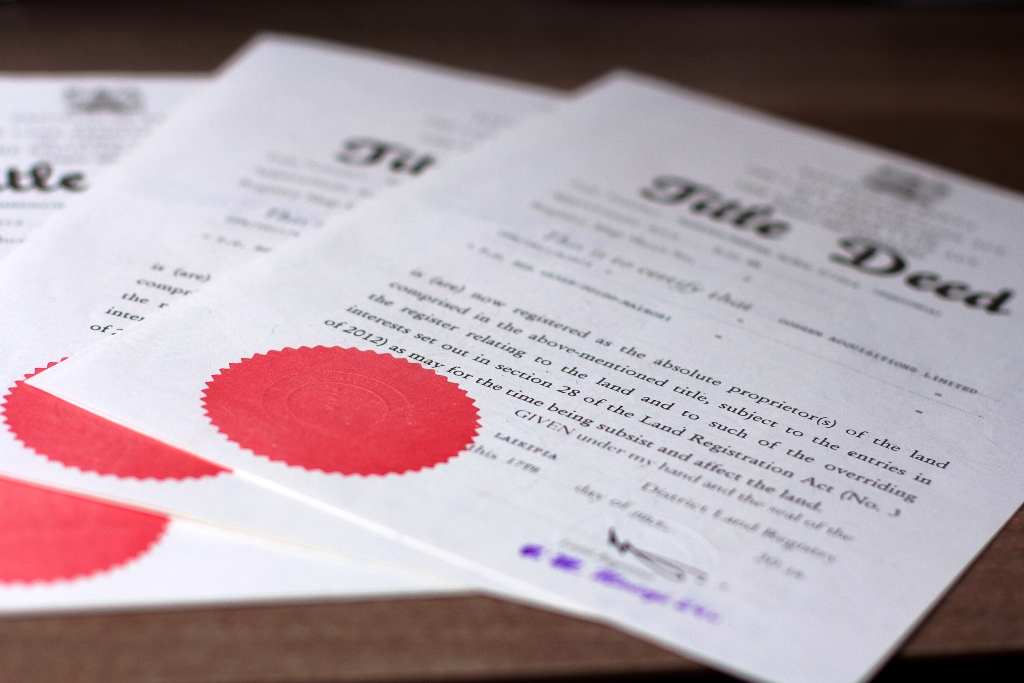
A title deed in Kenya is the primary document that establishes legal ownership of land or property. It is essential for any formal transaction involving the land, such as sales, leases, or mortgages. Without a valid title deed, a landowner cannot lawfully prove ownership, which can lead to legal disputes or the inability to transact. Losing this document creates vulnerability, emphasizing the need for a timely and legally compliant replacement.
A lost title deed can be particularly concerning in cases of family land disputes. If multiple family members claim ownership, having an updated and legally recognized title can prevent conflicts. AWK Advocates specializes in resolving such issues and guides clients on both the process of land dispute resolution in Kenya and securing their property rights.
Step 1: Reporting the Loss to the Police
The first legal requirement in the process of replacing a lost title deed in Kenya is reporting the loss to the nearest police station. A police abstract serves as official confirmation that the title deed is missing. This document is crucial when submitting your replacement application to the Land Registry, as it demonstrates due diligence and protects against allegations of fraud.
When filing the report, ensure you provide:
- Your full identification details (National ID or Passport)
- A detailed property description and location
- Any reference to the original title deed number, if available
Obtaining a police abstract early in the process avoids unnecessary delays and strengthens the credibility of your application.
Step 2: Swearing an Affidavit for Loss of Title Deed
Once you have a police abstract, the next step involves swearing an affidavit confirming the loss before a commissioner for oaths or a notary public. The affidavit must affirm:
- Accurate details of the proprietor and property
- That the loss was accidental and not due to fraudulent activity
- That the title deed will be returned if found
- That the deed has not been pledged as security for any loans
This sworn declaration establishes your ownership claim and intent during the replacement process. Legal professionals at AWK Advocates assist clients in drafting affidavits that meet statutory requirements, reducing the risk of delays or rejections by the Land Registrar.
Step 3: Preparing the Replacement Application
After swearing the affidavit, you must submit Form LRA 12 – Application for Replacement Certificate of Title/Lease – in accordance with the Land Registration (General) Regulations, 2017. This application must include:
- Police abstract confirming the loss
- Certified copies of identification documents for all proprietors
- For companies or entities: Certificate of incorporation, board resolution, and identification of directors
- Colored passport photographs of individual proprietors
- Property search reports and ownership evidence
Proper preparation at this stage ensures that the Land Registrar can process your application without unnecessary delays. AWK Advocates frequently assists clients with this step, ensuring that submissions are complete and compliant.
Step 4: Publication of Gazette Notice
Upon receiving your application, the Lands Registrar publishes a Gazette Notice to notify the public of the pending issuance of a replacement title deed. The notice allows any third party with claims or objections to respond within 60 days.
This legal requirement promotes transparency and protects property owners against fraudulent claims. During this period, clients may also place a caveat on the land to prevent any unauthorized dealings, ensuring that the property remains secure. AWK Advocates provides guidance on both the publication and caveat process, as well as other aspects of the land buying procedure in Kenya.
Step 5: Issuance of Provisional Certificate of Title
Assuming no objections are raised during the Gazette publication period, the Provisional Certificate of Title is issued. This document acts as a replacement for the lost deed and is recognized as valid proof of ownership. The provisional certificate allows you to transact legally with the land, including sales, transfers, or mortgages.
Step 6: Handling the Original Title if Found
If the original title deed is recovered after the replacement certificate is issued, it must be presented to the Lands Registrar for cancellation. Failure to do so can result in complications, such as disputes over duplicate ownership claims. AWK Advocates provides legal support in managing this scenario and ensuring the replacement certificate remains the sole valid proof of ownership.
Step 7: Record-Keeping in Land Registries
Kenya maintains Green Cards for freehold properties and White Cards for leasehold properties. Upon issuing the replacement title, the Land Registrar updates records to reflect the change, ensuring that official documentation is current and accurate. Proper record-keeping reduces the risk of disputes, facilitates future transactions, and strengthens the legal standing of your property.
Key Requirements for Replacing a Lost Title Deed
To successfully replace a lost title deed, property owners must provide:
- Sworn affidavit confirming loss
- Police abstract
- Certified identification documents
- Completed Form LRA 12
- Gazette notice publication
- Payment of prescribed fees
- Any supporting documents to verify ownership
These requirements ensure that the process complies with the Land Registration (General) Regulations and the Land Act.
Estimated Costs
Replacing a title deed in Kenya typically costs between Ksh 5,000 to Ksh 20,000, excluding legal fees. Costs cover:
- Statutory registration fees
- Gazette notice publication
- Administrative processing fees
- Optional legal assistance
The exact cost depends on property type, location, and complexity. Legal guidance from AWK Advocates helps optimize these costs and avoids unnecessary delays.
Common Questions
What is an Affidavit for Loss of Title Deed?
It is a sworn legal declaration confirming that the original deed is missing and formalizing your ownership claim.
How long does it take to replace a lost title deed?
Typically, 2–3 months, depending on administrative efficiency and the absence of objections.
Can companies apply for a replacement title?
Yes, by providing incorporation documents, board resolutions, and identification of directors/officers.
Can I place a caveat to protect my property?
Yes, a caveat can be lodged with the Land Registry to prevent unauthorized dealings until the replacement is issued.
Why Legal Guidance is Critical
The process of replacing a lost title deed in Kenya involves multiple legal, administrative, and technical steps. Engaging a law firm like AWK Advocates ensures the process is handled efficiently and legally. The firm’s expertise extends to related areas such as family land disputes in Kenya, land subdivision, and conveyancing, giving clients comprehensive support beyond just title replacement.
Additional Considerations
- Disputes: Lost title deeds can lead to disputes if multiple parties claim ownership. Legal intervention mitigates this risk.
- Fraud Prevention: Ensuring proper legal documentation prevents fraud, such as illegal sales or transfers.
- Related Property Transactions: If subdividing or selling land, understanding the land subdivision process in Kenya becomes crucial.
Process of Replacing a Lost Title Deed in Kenya
The process of replacing a lost title deed in Kenya is legal, technical, and critical for safeguarding property ownership. By following the correct steps — police report, sworn affidavit, Form LRA 12, Gazette publication, and issuance of a provisional certificate — property owners can secure their rights efficiently. Engaging AWK Advocates provides expert guidance across all stages, protecting clients from disputes, fraud, or legal complications. For more property-related legal support, explore their guides on conveyancing, land subdivision, and land buying procedures.